
SELECTED EXPERIENCE
— Director and Host of, Love, Truth & Miracles, 2000 to 2008
— Adjunct Instructor, Social Psychology, Worcester State University
— Retreat and Conference Facilitator, private groups and correctional settings
— Correctional Educator, developed and led a program inside a correctional facility for incarcerated men, integrating cognitive behavioral principles and spirituality
— Internship and Teacher-Participant Training, Mindfulness-Based Stress Reduction, University of Massachusetts Medical Center, 1996 to 1997, under Jon Kabat-Zinn and his leadership group
— Founder, Soul, Mind & Body Institute, developed an original eight-week stress reduction, relaxation, and meditation program with its own audio recordings and workbook, taught 1999 to 2004
— Taught the program to the leadership team of the YMCA of Greater Worcester and to church groups
ABOUT DENNIS
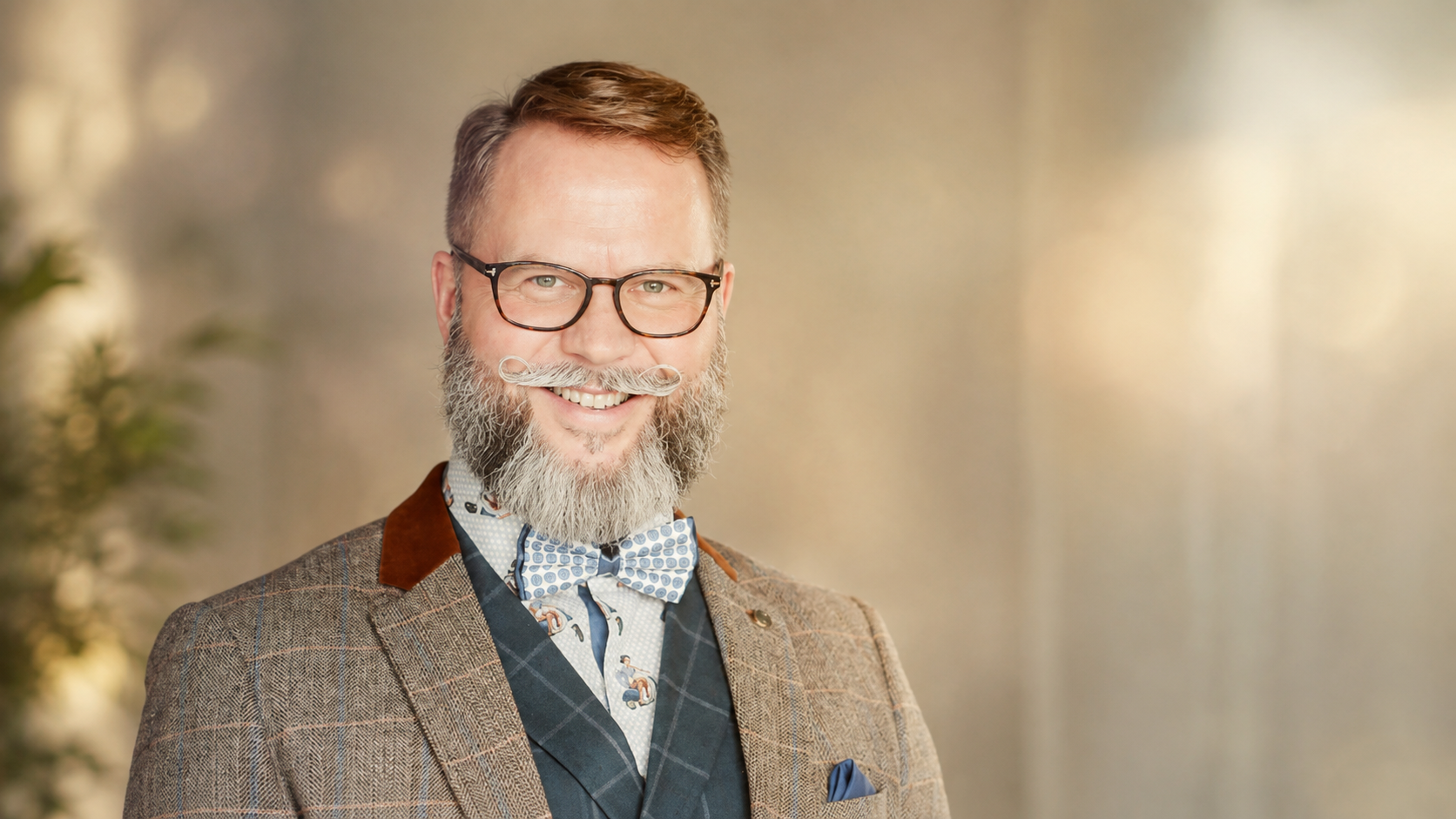
Dennis Wyrzykowski entered monastic life at fifteen and left religious life in 2013. During those years, he led a Carmelite community and built companies to move the monastery toward self-sufficiency and serve the needs of the marginalized. He founded Carmel Laboratories on patented research licensed from the University of Massachusetts Medical School and brought the Easeamine skin-care line to market. Two weeks before Easeamine’s launch, L’Oréal Paris released a competing product, Youth Code. The planned editorial coverage introducing Easeamine, including a Women’s Wear Daily cover story, went to L’Oréal Paris and the new technology behind Youth Code instead. Dennis pursued the patent claim for more than a decade, beginning with attorney work in 2010 and his own written challenge to L'Oréal in 2015. Federal patent litigation followed in 2017, reached the United States Court of Appeals for the Federal Circuit, and settled in 2024.
He survived twenty years of grooming and sexual abuse beginning when he was thirteen. For the first three years, he believed it was love. By the time he understood otherwise, the clergyman abusing him had isolated him from friends, family, outside support, and the other members of his community, leaving the abuser as his sole source of support. He felt trapped and unable to say no. For two years he practiced saying it, nightly, in prayer and meditation and against his own anxiety, until he could. The abuse ended when he was thirty-three.
Dennis is autistic. He learned to read people’s behavior over time, and this reading became the framework he presents in What Love Looks Like. The Fifteen Attributes of Love™ describe what love does when it is present. The Fifteen Faces of Fear™ identify the corresponding ways fear can distort the expression of those attributes. The Ten-Level Behavior Scale™ places behavior on ten levels, from Malicious to Unconditional. Objective Love™ names the Fifteen Attributes of Love™ when they appear in behavior within the upper levels of the scale. The Two Governing Conditions: Accountability and Responsibility™ keep the scale a mirror instead of a weapon.
He brings this framework to those who need to understand behavior, recognize its consequences, and determine what must change. Dennis speaks to survivors, to the clinicians, advocates, chaplains, and program leaders responsible for people in their care, to faith communities, and to the boards and executives deciding what their institutions will permit and what they will correct.
The Experience Behind My Work
My understanding of love and human conduct has developed through a lifetime of experiences and my perspective as an autistic person. For decades, I practiced meditation and contemplation, led a Carmelite community, and provided ongoing spiritual formation. I also developed the Paxton wind-energy project and built Easeamine, an anti-aging skincare business covered by international media. Throughout these years, I experienced profound personal trauma and financial losses, including those associated with the L'Oréal patent dispute.
I survived twenty years of grooming and sexual abuse beginning when I was thirteen. My relationship with the God of my understanding sustained me. After two years of nightly prayer and meditation, I found the courage to say “no”. Years of retaliation from within my monastery and the local Catholic Church followed.
Over time, I recognized the incapacitating effects of fear, shame, guilt, and remorse and discovered how to free myself from their control. With greater clarity, I came to understand: “Wisdom is Truth in Action. It takes courage to be wise”. Embracing the objectivity of truth and developing healthy relationships, I came to recognize Objective Love by its effects rather than by declarations of love.
Today, through my speaking engagements, I present a practical method for examining whether professed values are reflected in conduct and its consequences. It gives leaders in corporations and other organizations a way to evaluate their culture by examining what they permit and what they correct, recognize harmful patterns, and strengthen accountability and responsibility. Healthcare professionals and individuals can apply the same method to distinguish genuine care from control, make more informed decisions, and develop healthier relationships.